
Marble Care in Dubai: How to Prevent Dullness, Etching and Surface Damage
Marble adds a natural, elegant finish to floors, countertops, stairs and bathrooms. However, everyday spills, fine dust and unsuitable cleaning products can gradually affect its appearance. With the right marble care in Dubai, you can help maintain the stone’s finish, reduce avoidable damage and recognise when professional treatment may be needed.
The key is to use gentle cleaning methods, remove spills promptly and avoid products that can react with natural stone. The following guide explains how to care for marble in homes and commercial properties across Dubai.
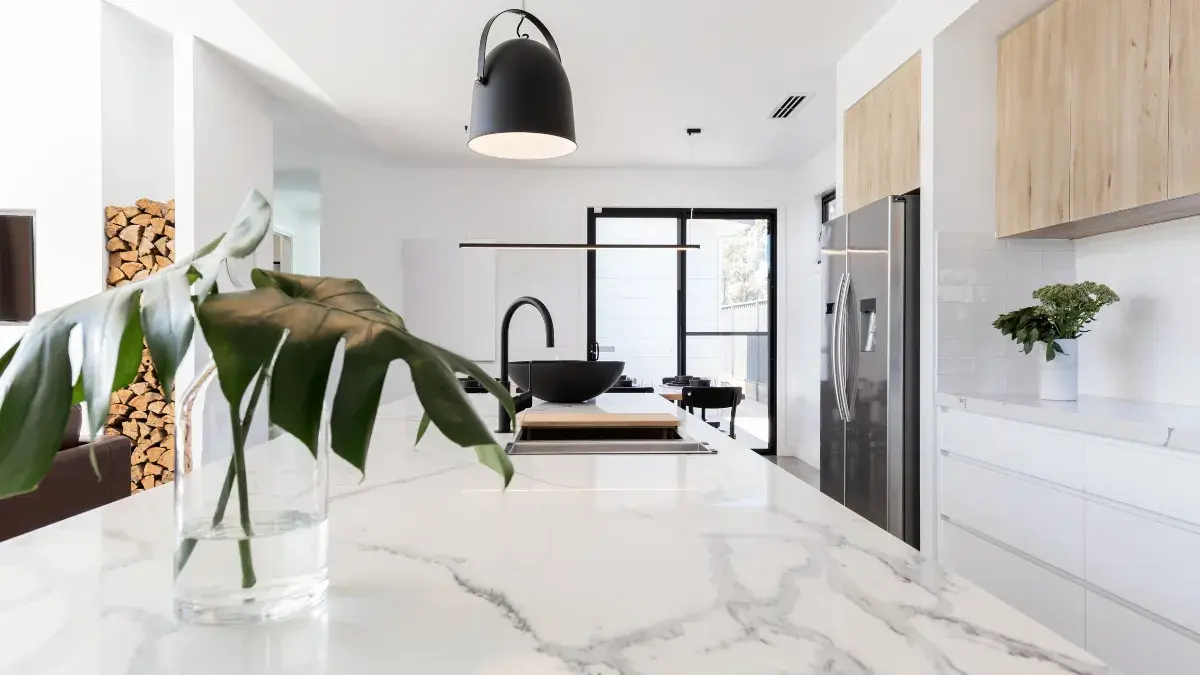
Why Does Marble Become Dull or Damaged?
Marble is a natural stone made mainly of calcium carbonate. Although it can be durable, its surface is sensitive to acids and can develop scratches, stains and a loss of shine. Dubai’s outdoor dust can also be carried inside on footwear, while frequent use can gradually wear the finish.
Understanding the type of damage is important because dullness does not always mean the floor needs polishing.
Etching
Acidic substances such as lemon juice, vinegar and some bathroom cleaners can react with marble. The result may be a pale, rough or dull mark that remains even after the surface is cleaned.
Fine Scratches
Grit, sand and dust can act like abrasives when walked over or rubbed across the floor. Over time, these small marks can make a polished surface look cloudy.
Stains and Discolouration
Oil, cosmetics, coffee and other spills may leave marks if they penetrate the stone. Some stains sit below the surface, so ordinary mopping may not remove them.
Mineral Deposits and Residue
Water spots, hard-water deposits and leftover cleaning solution can leave a cloudy appearance, particularly around sinks, showers and other wet areas.
Care tip: Before trying to restore a dull patch, identify whether it is dirt, residue, etching or scratching. Each problem may need a different treatment.
How to Clean Marble Floors Every Day
Regular, gentle cleaning helps remove dust and everyday dirt before they scratch the surface. A simple routine is usually more useful than frequently applying strong cleaners or polishing products.

A Simple Daily Cleaning Routine
- Remove loose dust first. Use a soft microfiber dust mop or a suitable vacuum attachment.
- Choose a gentle cleaner. Use a pH-neutral product labelled as suitable for marble or natural stone.
- Use a soft, damp mop. Avoid soaking the floor or leaving puddles around joints and edges.
- Remove residue. Follow the product directions and use clean water if rinsing is recommended.
- Dry wet areas. A clean microfiber cloth can help reduce water marks and streaks.
In dusty environments: Place entrance mats at doors and clean them regularly. Removing grit before it reaches the marble can help reduce surface scratching.
What Is the Best Cleaner for Marble?
For routine maintenance, a pH-neutral cleaner specifically labelled for marble or natural stone is a reliable starting point. The right product removes ordinary dirt without relying on acidic ingredients that can damage the surface.
Always read the label, follow the dilution instructions and test an unfamiliar product on a small, inconspicuous area when appropriate.
Suitable for Routine Care
- pH-neutral natural stone cleaner
- Clean microfiber cloths
- Soft dust mop or non-abrasive mop
- Clean water used according to the cleaner’s instructions
Products to Avoid or Check Carefully
- Vinegar, lemon juice and acidic cleaners
- Abrasive powders and rough scouring pads
- Strong bathroom or toilet cleaners not approved for marble
- Products that leave waxy or oily residue
Can You Use Dawn Dish Soap on Marble?
Do not assume every product sold under the Dawn name is suitable for marble. Formulas vary, and some products contain ingredients or have intended uses that may not be appropriate for natural stone. Check the specific product label and use a cleaner approved for marble whenever possible.
Dawn Powerwash should not be treated as a universal marble cleaner. Its use should be avoided on marble surfaces such as countertops, sink basins and backsplashes where the product is not recommended by the manufacturer.
Is Murphy’s Oil Soap Good for Marble?
Murphy’s Oil Soap is not the first choice for routine marble care unless the particular product is explicitly suitable for the surface. Products that leave a film or residue can affect the appearance of polished stone and may require additional cleaning. A dedicated pH-neutral natural stone cleaner is the safer general recommendation.
Important: Never mix cleaning products. If you are unsure whether a product is suitable for your marble, check the manufacturer’s guidance before applying it.
How to Prevent Etching, Stains and Scratches
Preventive care is often easier than treating visible surface damage. Small changes to your cleaning routine and the way you use marble countertops, floors and bathroom surfaces can make a meaningful difference.
Wipe Spills as Soon as Possible
Blot spills with a soft cloth instead of spreading them across the surface. Pay particular attention to citrus juice, vinegar, wine, coffee, cosmetics and cooking oils. Clean the area with a suitable stone cleaner if needed.
Use Coasters, Mats and Trivets
Place coasters under drinks and use suitable trivets beneath hot cookware. Keep toiletries, cosmetics and acidic household products from sitting directly on marble countertops.
Keep Grit Away from the Floor
Use entrance mats and remove loose dust before wet mopping. Avoid dragging furniture or heavy objects across the floor. Use appropriate protective pads under furniture legs.
Avoid Acidic and Abrasive Products
Do not use vinegar, lemon-based cleaners or abrasive scouring materials on marble. A product that works well on ceramic tile may not be suitable for natural stone.
Dry Areas That Stay Wet
Wipe down marble around sinks, showers and other wet areas after use. This helps reduce water spotting and the build-up of mineral deposits on the surface.
How to Remove Stubborn Stains from Marble Countertops
A stain on a marble countertop may be caused by oil, food, cosmetics, rust or another substance. The right treatment depends on what caused the mark and whether it has penetrated the stone.
Oil-Based Marks
Cooking oil, grease and some cosmetics can darken marble. A suitable stone-safe poultice may help draw out certain stains, but the product must match the stone and the stain.
Food and Drink Marks
Blot the spill promptly and clean the area with a pH-neutral stone cleaner. If the mark is pale and dull rather than discoloured, it may be etching rather than a stain.
Rust or Deep Discolouration
Rust and other deep marks may need a specialist treatment. Avoid applying general-purpose rust removers or acidic stain removers without confirming they are safe for marble.
Old or Unknown Stains
If the cause is unknown, avoid repeated scrubbing or experimenting with chemicals. A stone-care professional can assess the mark and recommend an appropriate method.
Know the difference: A stain is usually a discolouration in the stone, while etching changes the surface itself. Cleaning alone will not repair an etched or scratched finish.
Does Marble Need Sealing in the UAE?
Many marble surfaces benefit from an appropriate penetrating sealer, but the need and frequency depend on the type of stone, its finish, where it is installed and how it is used. Marble in kitchens, bathrooms and busy commercial spaces may face different exposure to moisture, oils and spills.
A suitable sealer can reduce how readily certain liquids penetrate the stone, giving you more time to clean up spills. However, sealing is not a substitute for everyday care.
What Sealing Can Help With
- Reducing absorption of some liquids
- Making certain stains easier to manage
- Providing additional protection when used correctly
- Supporting an appropriate stone maintenance routine
What Sealing Cannot Do
- Prevent acid etching from every spill
- Stop scratches from grit or abrasive materials
- Repair existing chips, scratches or dull patches
- Remove stains already inside the stone
Before applying a sealer, confirm that the product is compatible with your marble and finish. Follow the manufacturer’s instructions and avoid applying additional coats simply because the surface looks dull. A sealer is designed for protection, not as a replacement for polishing.
When Should You Consider Professional Marble Restoration?
Routine cleaning is suitable for ordinary dirt and residue, but it cannot correct every surface problem. Professional assessment may be useful when the marble has persistent dull areas, visible scratches, widespread etching, difficult stains or uneven shine.
Signs Your Marble May Need Specialist Care
- The floor remains cloudy after suitable cleaning.
- Etched marks are visible near food preparation areas or bathrooms.
- Scratches affect the appearance of polished marble.
- Different areas of the floor have noticeably different levels of shine.
- Stains remain after appropriate basic cleaning.
- The surface has chips, cracks or other damage that needs assessment.
The correct treatment depends on the condition of the stone. Some surfaces need a deeper clean, while others may require honing, polishing, stain treatment or repairs.

Marble Cleaning, Polishing and Restoration: What Is the Difference?
| Service | When It May Be Needed |
|---|---|
| Marble cleaning | For everyday dirt, surface residue and suitable cleaning needs. |
| Marble polishing | When the finish needs its shine improved after assessing the surface condition. |
| Marble restoration | For more involved surface issues such as etching, scratches, uneven finishes or certain types of damage. |
For more information, explore our marble cleaning service in Dubai, marble floor polishing service and marble restoration service.
Need Help Caring for Your Marble?
If your marble floor, countertop or other stone surface has persistent dullness, etching or stains, contact our team to discuss the condition of the surface and the treatment it may need.
Frequently Asked Questions About Marble Care in Dubai
Here are answers to common questions about keeping marble floors, countertops and other natural stone surfaces clean and well maintained.
How often should marble floors be polished?
There is no single schedule for every marble floor. Homes with light use may go longer between polishing treatments, while busy entrances and commercial areas may show wear sooner. The condition of the finish is a better guide than a fixed timetable.
How do I make my marble floor shiny again?
Start by removing dust and cleaning with a pH-neutral stone cleaner. If the surface remains dull after cleaning, it may have etching, fine scratches or a worn finish. Depending on the condition, professional honing or polishing may be required.
Can vinegar be used to clean marble?
No. Vinegar is acidic and can etch marble, leaving dull marks on the surface. Use a cleaner labelled as suitable for marble or natural stone instead.
Does sealing marble prevent stains?
A suitable sealer can reduce the absorption of certain liquids, but it does not make marble completely stain-proof. Spills should still be cleaned promptly, and the sealer should be maintained according to its manufacturer’s instructions.
Does sealing prevent marble from etching?
No. Sealing may help reduce liquid absorption, but it does not prevent the chemical reaction that causes acid etching. Keep acidic products away from marble and wipe up spills promptly.
Can I remove etching with a regular marble cleaner?
Regular cleaning removes suitable surface dirt but does not repair etching. Because etching affects the surface itself, the area may need a treatment designed for the stone’s finish and condition.
How can I protect marble countertops in the kitchen?
Use coasters, cutting boards and suitable trivets. Wipe up acidic liquids, oils and food spills promptly, and clean with a pH-neutral product suitable for marble. Avoid using acidic sprays or abrasive pads.
Why does marble look cloudy after mopping?
Cloudiness can result from leftover cleaning solution, mineral deposits, fine scratches or etching. Check the product used and clean a small area with a suitable stone cleaner. If the cloudiness remains, the surface may need further assessment.
Is professional marble restoration always necessary?
No. Everyday dirt and suitable surface residue can often be handled with routine cleaning. Professional restoration is worth considering when scratches, etching, stubborn stains or uneven shine cannot be resolved through appropriate basic care.
How can I maintain marble in Dubai’s dusty environment?
Remove loose dust regularly, use entrance mats, clean with a soft microfiber mop and avoid dragging gritty objects across the floor. A consistent routine helps reduce the abrasive wear caused by dust and sand.