
How Does Professional Marble Polishing Work?
Marble floors can gradually lose their shine because of everyday foot traffic, fine dust, spills and unsuitable cleaning products. In Dubai, these factors can leave marble looking dull, scratched or uneven. Professional marble polishing uses specialised equipment and stone-safe methods to restore the surface and improve its appearance.
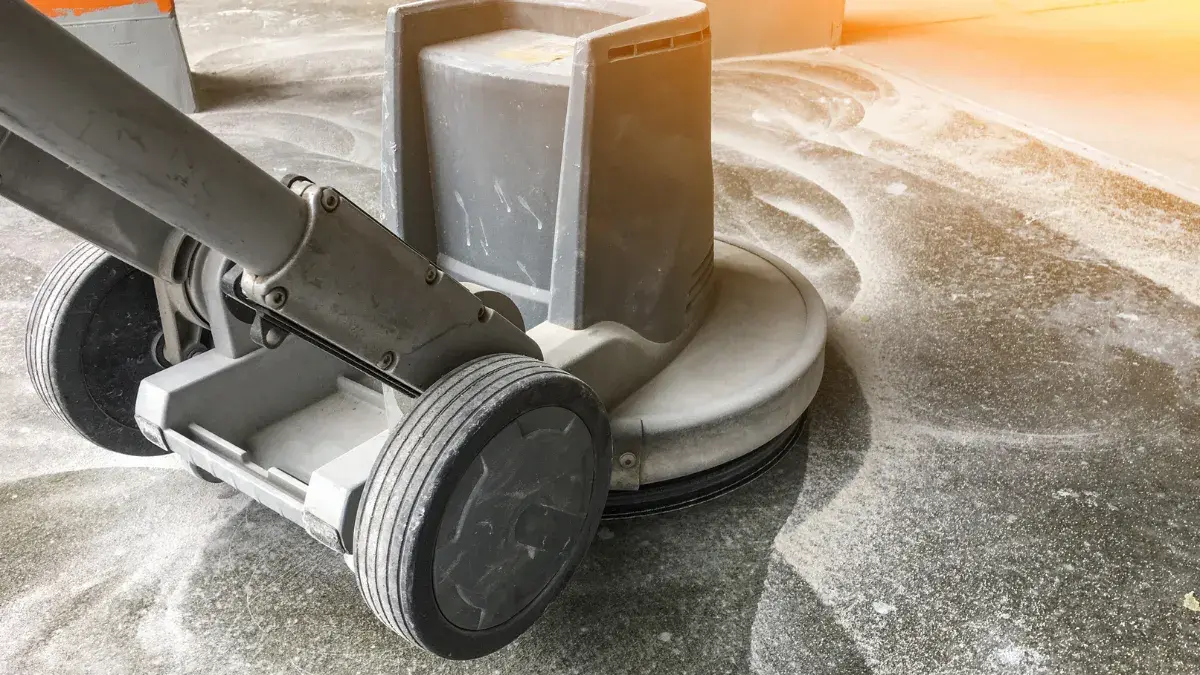
Understanding how marble polishing works can help you choose the right treatment, compare service quotations and avoid temporary fixes that do not address the underlying surface problem.
What Is Professional Marble Polishing?
Professional marble polishing is a stone-care process that improves the smoothness, clarity and appearance of a marble surface. Technicians assess the stone first, then select the appropriate combination of cleaning, honing, polishing and other treatments.
The exact process depends on the surface condition. Marble that has only lost some of its shine may need light polishing. A floor with visible scratches, acid etching or uneven tile edges may require more intensive restoration before the final finish can be achieved.
How Is Marble Polishing Done?
A professional marble polishing job follows a series of steps. Not every floor requires every treatment, but the aim is to prepare the surface properly before producing the required finish.
- Inspection of the marble The technician checks the floor for dull patches, scratches, etch marks, stains, cracks, damaged grout and uneven tile edges. This assessment helps determine whether the surface needs maintenance polishing or deeper restoration.
- Cleaning and preparation Loose dust and dirt are removed, and the marble is cleaned with products suitable for natural stone. Furniture and nearby areas are protected as needed before the polishing equipment is used.
- Grinding, if required Coarser diamond abrasives may be used where the floor has deep scratches, significant wear or uneven edges between tiles. Grinding removes a controlled amount of stone, so it should only be performed when the condition of the marble calls for it.
- Honing the surface Finer abrasives smooth the marble and help remove remaining scratches and surface marks. Honing can also create a matte or satin finish when a highly reflective surface is not wanted.
- Polishing the marble Progressively finer abrasives or suitable polishing compounds refine the surface and restore its clarity and shine. The method depends on the marble type, the existing finish and the result required.
- Cleaning and checking the finish Residue is removed and the floor is inspected under suitable lighting. The technician checks for remaining dull areas, uneven sheen and visible marks before completing the job.
- Sealing, where appropriate A suitable impregnating sealer may be applied if the marble requires additional resistance to staining. Sealing is not a replacement for polishing and does not prevent acid etching.
The sequence can vary depending on the marble and the chosen treatment. For floors that need more than surface maintenance, see our marble restoration service in Dubai.
What Do Professionals Use to Clean and Polish Marble?
Professional technicians use different tools and products for cleaning, repairing and finishing marble. The correct choice depends on the stone, the type of damage and the desired finish.
| Tool or product | Purpose |
|---|---|
| pH-neutral stone cleaner | Removes everyday dirt without exposing marble to harsh acidic cleaners. |
| Professional floor polishing machine | Helps treat larger floor areas evenly and efficiently. |
| Diamond abrasive pads | Used in different grades for grinding, honing and refining the stone surface. |
| Marble polishing powder or compound | Used with a compatible process to improve the finish of suitable marble surfaces. |
| Stone repair fillers | May be used to address certain chips, small holes or cracks before finishing. |
| Impregnating stone sealer | Reduces the rate at which certain liquids penetrate absorbent stone, helping with stain resistance. |
Not every product is suitable for every marble floor. Professional equipment and the correct abrasive sequence are particularly important when the stone has scratches, etching or an uneven finish.
Can You Use Household Products to Polish Marble?
Household products are not a substitute for professional polishing compounds and equipment. Vinegar, lemon juice, acidic bathroom cleaners and abrasive powders can damage marble. Wax-based products may also leave a coating that builds up or becomes patchy over time.
For everyday maintenance, use a soft mop or cloth and a pH-neutral cleaner made for natural stone. If the marble remains dull after cleaning, the surface may need professional attention rather than a stronger household chemical.
Can Marble Polishing Remove Dullness, Scratches and Etch Marks?
Marble polishing can improve many common surface problems, but the result depends on the cause and depth of the damage.
Dull or cloudy marble
If the surface has lost its shine through regular use, appropriate polishing may restore its appearance. If the dullness comes from etching, scratches or an old coating, further treatment may be necessary.
Light scratches
Light surface scratches can often be reduced or removed through suitable honing and polishing. Deeper scratches may require more abrasive work and should be assessed before treatment.
Etch marks
Etching happens when an acidic substance reacts with the calcium-based surface of marble. It can leave a dull spot or ring. Cleaning alone usually will not reverse the damage; honing and repolishing may be needed.
Stains and discolouration
Some stains respond to specialist stone treatments, while others penetrate deeply or involve chemical changes that are difficult to reverse. A technician should identify the likely cause before recommending a solution.
Cracks and chipped edges
Polishing alone does not repair structural cracks or replace missing stone. Certain small chips and surface defects can be filled and finished, while more serious damage may require separate repair work.
If your marble has visible damage as well as dullness, review our marble restoration service to understand when a more complete treatment may be suitable.
How Much Does It Cost to Have Marble Polished in Dubai?
The cost of professional marble polishing in Dubai depends on the total area, condition of the stone, type of marble, access to the work area and the treatment required. A floor that only needs light polishing will generally require less work than one with deep scratches, etching, damaged grout or uneven tiles.
Published starting rates are not directly comparable unless they include the same work. A basic polish may not include diamond honing, crack repairs, edge detailing or sealing. Ask for a quotation based on the actual condition of your marble rather than relying on a generic rate.
When comparing quotations, check whether the price includes:
- Inspection and preparation of the marble.
- Cleaning and the required polishing process.
- Diamond honing or grinding, if needed.
- Repairs to chips, cracks or grout, where included.
- Edge and corner detailing.
- Sealing, if recommended and included in the quote.
- Cleaning after the work and instructions for aftercare.
Contact Dubai Marble Polish to discuss your floor and arrange an assessment before deciding on a treatment.
How Long Does Professional Marble Polishing Take?
The time required depends on the size of the area, the condition of the marble, the chosen finish and whether repairs or grinding are needed. A relatively well-maintained floor may take considerably less time than a heavily scratched surface requiring several restoration stages.
Furniture movement, tight corners, staircases and separate rooms can also affect the schedule. If a sealer is applied, the surface may need additional drying or curing time before normal use resumes.
Before work begins, ask the service provider how long the treatment is expected to take and when the floor can safely be walked on or have furniture returned.
How to Maintain Polished Marble in Dubai
Once your marble has been polished, everyday care helps preserve its appearance. Fine dust and grit can cause wear under shoes, while spills and unsuitable cleaners may leave marks on the surface.
- Remove dust regularly. Use a soft dust mop or vacuum suitable for hard floors to reduce grit being dragged across the marble.
- Choose a pH-neutral cleaner. Avoid vinegar, lemon, acidic bathroom cleaners and abrasive cleaning powders.
- Wipe spills promptly. Do not leave coffee, juice, cooking ingredients or other liquids sitting on the stone.
- Use mats at entrances. Mats help capture dust and sand before they reach marble floors.
- Protect furniture. Use suitable felt pads under furniture legs and avoid dragging heavy items over the surface.
- Manage hard-water residue. Wipe water from marble around sinks and bathrooms rather than allowing deposits to build up.
- Follow sealing advice. Use a suitable sealer only when appropriate for the stone, and follow the product’s maintenance instructions.
For routine care and professional cleaning options, visit our marble cleaning service in Dubai.
Where Can You Get Professional Marble Polishing Services in Dubai?
If your marble floor remains dull after cleaning, has visible etch marks or contains scratches that affect its finish, a professional assessment can help identify the right treatment. The aim should be to restore the stone using only the level of grinding, honing or polishing that its condition requires.
Dubai Marble Polish provides marble care services for residential and commercial properties across Dubai. The appropriate process depends on the surface, so it is worth discussing the condition of your marble before choosing a service.
Explore our marble floor polishing service in Dubai for more information about professional floor polishing.
Frequently Asked Questions
How is marble polishing done professionally?
The process usually begins with inspection and cleaning. Depending on the condition, the technician may grind or hone the surface before polishing it with suitable abrasives or compounds. The floor is then cleaned and inspected, and a suitable sealer may be applied if needed.
How much does it cost to have marble polished?
The price depends on the size and condition of the marble and the work required. Light polishing generally costs less than restoration involving deep scratches, uneven tiles, repairs or additional finishing. Request an itemised quotation after an assessment.
Where can I get marble polishing services in Dubai?
You can contact Dubai Marble Polish to discuss marble polishing and restoration for your property. The suitable service depends on whether your marble needs maintenance polishing, honing or more extensive repairs.
What do professionals use to clean marble?
Professionals commonly use pH-neutral stone cleaners, suitable polishing machines, diamond abrasive pads and specialised marble polishing compounds. The products and equipment are selected according to the marble type and its condition.
Can I polish marble myself at home?
You can maintain marble at home with a soft cloth, a suitable stone cleaner and careful spill management. Restoring scratches, etching or an uneven finish usually requires specialised equipment and experience. Avoid experimenting with acidic cleaners or abrasive household products.
Can professional polishing remove etch marks?
Many etch marks can be improved or removed by honing and repolishing the affected area. The result depends on the depth of the damage, the marble type and the finish. Ordinary cleaning generally cannot reverse etching.
Does marble need to be sealed after polishing?
Not every marble surface needs the same treatment. A suitable impregnating sealer may reduce liquid absorption and help resist staining, but it does not prevent acid etching or eliminate the need for regular care. Follow advice based on the specific stone.
What is the difference between honing and polishing marble?
Honing smooths the surface and typically produces a matte or satin finish. Polishing refines the surface further to create a brighter, more reflective finish. Both may be used during restoration, depending on the result required.
How often should marble floors be polished?
There is no fixed schedule for every property. The frequency depends on foot traffic, cleaning habits, the type of marble and the finish. Regular maintenance may reduce the need for intensive restoration.
Need Professional Marble Polishing in Dubai?
If your marble floors look dull, scratched or uneven, contact Dubai Marble Polish to discuss your surface and arrange an assessment of the work required.