
Can You Polish Marble Countertops? What Can and Cannot Be Repaired
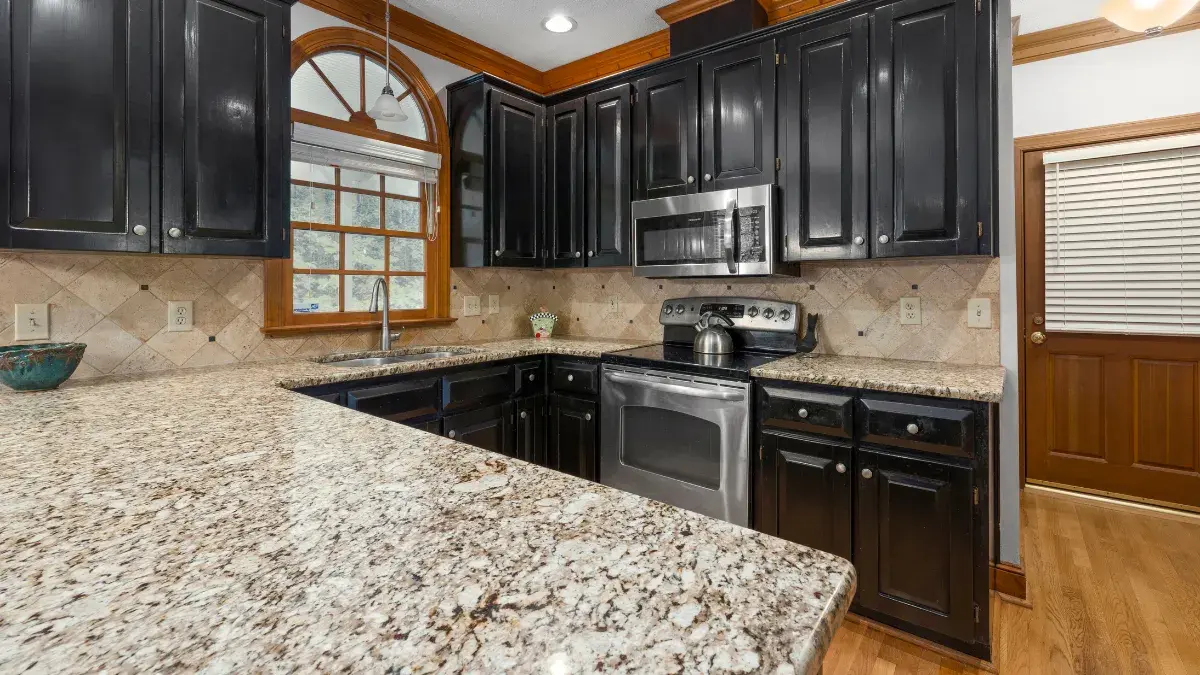
Yes, you can polish many marble countertops to improve their shine and remove certain surface marks. However, the right treatment depends on whether the marble has lost its gloss, developed acid etching, collected stains, or suffered scratches, chips or cracks.
A marble kitchen counter or bathroom vanity can look worn even when the stone itself is still in good condition. A cloudy patch near the sink, a dull ring from a glass, or fine marks around a frequently used work area can make the whole surface appear older than it is.
The important thing is to identify the problem before choosing a product or polishing method. Cleaning, polishing, honing and repairing marble are different jobs. Using the wrong approach can leave uneven shine, additional scratches or a finish that no longer matches the rest of the countertop.
This guide explains what marble countertop polish can achieve, which types of damage need a different repair, how to care for the surface afterwards, and when professional marble restoration in Dubai is worth considering.
The short answer: polishing can often improve dullness, light etching and some fine surface marks. It will not, by itself, repair a structural crack, replace missing stone or remove every deep stain. The condition of the marble determines the solution.
What Does Marble Countertop Polishing Actually Do?
Marble polishing refines the stone’s surface so it reflects light more evenly. A polished marble countertop has a smooth, reflective appearance, while a honed countertop has a softer, matte or satin finish. Both can be intentional finishes, so more shine is not always the right goal.
Professional polishing may use suitable diamond abrasives, polishing compounds or other stone-specific methods. The process depends on the marble type, existing finish, depth of damage and the result required. It is not simply a matter of applying a shiny product to the top.
It also helps to separate four common treatments:
- Cleaning: removes food residue, grease, dust, soap film and other material sitting on the surface.
- Polishing: refines the surface to restore or improve a polished finish.
- Honing: smooths the stone to produce a matte or satin finish, often as part of correcting deeper surface damage.
- Repair: addresses physical defects such as chips, cracks, damaged edges or missing material.
These treatments can sometimes be combined. For example, an etched patch may need honing followed by polishing to blend it with the surrounding surface. A chipped countertop edge may need a suitable repair material before the finish can be restored.
What Can Marble Countertop Polish Repair?
Some types of damage respond well to polishing, particularly when the problem is limited to the surface. Others need a more involved restoration process. The following table gives a practical starting point.
| Problem | Can polishing help? | Likely treatment |
|---|---|---|
| Loss of shine | Often | Check for residue, then polish or refinish as needed. |
| Light acid etching | Often | Stone-specific polishing or light honing and polishing. |
| Fine surface scratches | Sometimes | Assess the depth and blend the finish with suitable abrasives. |
| Deep scratches | Not by polishing alone | Professional surface refinishing may be necessary. |
| Food or oil stains | Not reliably | Identify the stain and use a suitable stain treatment. |
| Small chips | No, not alone | Repair the missing material, then refine the finish. |
| Cracks or movement | No, not alone | Assess the cause and stability before considering repair. |
| Widespread surface damage | Possibly | Professional restoration based on the stone’s condition. |
1. Dullness and loss of shine
A countertop can lose its shine because of cleaning-product residue, accumulated grease, repeated abrasion or actual wear to the stone’s finish. These causes can look similar at first, but they do not need the same treatment.
Start with a gentle clean using a suitable pH-neutral stone cleaner and a soft cloth. Rinse away residue and dry the surface. If the countertop looks clear again, polishing may not be necessary.
If the surface remains cloudy or uneven after cleaning, the finish may be worn or damaged. In that situation, a stone specialist can assess whether a light polish is sufficient or a larger area needs to be refinished.
2. Light etching from acidic products
Marble is sensitive to acids because it contains calcium carbonate. Lemon juice, vinegar, wine and some acidic cleaning products can react with the surface, leaving a pale, dull or slightly rough mark.
This is called etching. It is not simply dirt sitting on top of the marble. The surface itself has been chemically affected, which is why repeated wiping may not change the mark.
Light etching may respond to a polishing product specifically formulated for the type of marble and its existing finish. More visible or widespread etching may require honing and professional repolishing. A dark or coloured mark may involve both etching and staining, so the two problems may need separate treatment.
3. Fine scratches and surface wear
Fine scratches can develop from abrasive cleaning pads, gritty cloths, utensils or objects dragged across the countertop. They may be more noticeable under direct lighting or near windows because the marks scatter reflected light.
Some superficial scratches can be improved through suitable polishing. Deeper scratches may need controlled abrasion to remove enough material to level the damaged area. That work can change the finish and may make a spot repair visible if the surrounding marble is not blended properly.
If you can clearly feel a groove with a fingernail, or the scratch crosses a prominent vein, avoid aggressive DIY treatment. A professional assessment can establish how much material would need to be removed and whether a complete local or wider refinish makes more sense.

What Cannot Be Fixed by Polishing Alone?
Polishing improves the surface finish, but it does not replace missing stone or solve every problem underneath the surface. Knowing these limits helps prevent wasted effort and unrealistic expectations.
Deep cracks and structural damage
A crack that runs through the marble, opens under pressure or appears near a joint or sink cut-out may involve more than surface damage. Possible causes include movement, inadequate support, impact or stress around the installation.
Polishing will not correct the cause of a crack. The countertop should be assessed before any cosmetic work begins. Depending on the location and severity, a specialist may recommend a suitable repair, reinforcement, improved support or replacement of the affected section.
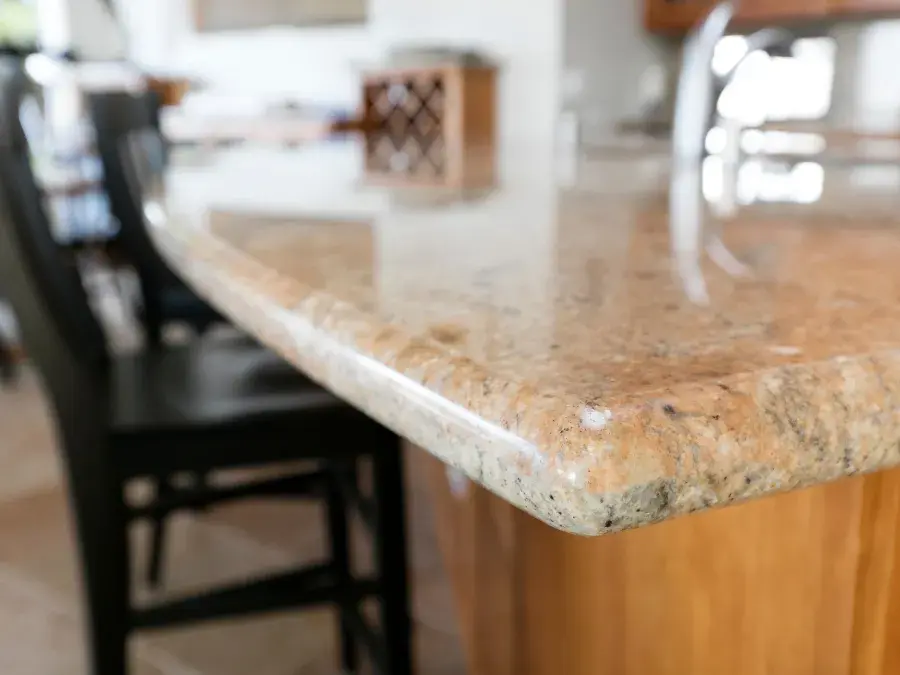
Chipped edges and missing pieces
Countertop edges are vulnerable to impacts from cookware, appliances and other hard objects. A small chip may be repairable with a compatible stone repair material, followed by careful shaping and finish matching.
The repair is not the same as polishing the surface. The missing material must first be addressed, and the repaired area may still look slightly different because marble varies in colour, veining and translucency.
Deep stains inside the stone
Some stains penetrate into the marble rather than remaining on the surface. Cooking oil, cosmetics, coffee and other substances can leave discolorations depending on the stone and how long the spill remains.
Polishing alone may not remove a deep stain. The cause must first be identified, and an appropriate stain treatment may be required. A stone professional may use a poultice, which is an absorbent material combined with a suitable treatment to draw certain stains out of the stone.
Not every stain can be removed completely. Aggressive chemicals can also cause additional etching or discolouration, so unknown stains are best assessed before treatment.
Severe damage across the whole countertop
If the surface has deep scratches, widespread etching, old repairs or uneven areas, treating individual marks one at a time may leave a patchy result. A broader refinishing process can sometimes produce a more consistent finish, but it depends on the thickness, condition and construction of the countertop.
When a countertop is cracked through its full thickness, unstable, badly fractured or unsuitable for safe repair, replacement may be the more practical option. An inspection should establish the realistic choices before work begins.
Marble Etching vs. Stains: How to Tell the Difference
Etching and staining are often confused because both can leave visible marks. However, they affect marble in different ways, and treating one as the other can make the problem harder to resolve.
| What you notice | Possible cause | What may help |
|---|---|---|
| A pale, cloudy or dull patch | Acid etching or finish damage | Assess the surface and consider polishing or honing. |
| A darker patch around a spill | Oil or liquid absorption | Identify the substance and assess suitable stain treatment. |
| A rough mark that remains after cleaning | Etching or abrasion | Determine whether the surface needs refinishing. |
| A ring or mineral deposit | Residue or hard-water deposits | Use a stone-safe cleaning approach and avoid acidic descalers. |
| A mark with both colour and dullness | Staining combined with etching | Stain treatment and finish restoration may both be needed. |
These are clues, not a definitive diagnosis. Lighting, the marble’s natural pattern and the type of finish can affect how damage appears. A close inspection is more reliable than choosing a product based only on the colour of a mark.
Can You Polish Marble Countertops Yourself?
For routine cleaning and some minor surface issues, homeowners can safely maintain marble themselves. However, attempting to restore a polished finish is more demanding than ordinary cleaning. The wrong abrasive or polishing compound can create a brighter patch, introduce new scratches or change a honed finish into an uneven glossy area.
What you can safely do at home
- Remove loose dust and grit with a soft, clean cloth.
- Clean with a pH-neutral stone cleaner suitable for marble.
- Rinse away cleaner residue and dry the surface with a soft cloth.
- Blot spills promptly rather than spreading them across the stone.
- Use a product specifically intended for your marble and its finish if attempting a minor polish.
- Test any approved treatment in a small, inconspicuous area first.
What you should avoid
- Do not use vinegar, lemon juice or acidic descaling products on marble.
- Avoid scouring powders, abrasive household creams and rough cleaning pads.
- Do not assume toothpaste, car polish, wax or an oily household product is suitable for natural stone.
- Do not start with coarse diamond abrasives or an uncontrolled power tool on a finished countertop.
- Do not use a generic polishing powder without checking whether it suits the stone and its finish.
- Do not mix cleaning chemicals or improvise chemical treatments for unidentified stains.
Important: A polishing powder that works on a glossy marble surface may leave a different sheen on honed marble. Before using any product, confirm that it is suitable for the finish you want to maintain. For deep scratches, prominent etching, valuable stone or damaged edges, professional advice is the safer option.
How Professional Marble Countertop Restoration Works
Professional marble countertop restoration should begin with an assessment, not an automatic decision to polish the entire surface. The goal is to select a method that addresses the damage while preserving as much of the original stone as practical.
-
Inspect the countertop and identify the finish.
The specialist checks whether the marble is polished or honed, where the damage is located, and whether the problem is residue, etching, scratches, staining or physical damage.
-
Clean and prepare the work area.
Surface contamination is removed so it does not interfere with the restoration process. Nearby cabinets, sinks, appliances and other finishes need suitable protection.
-
Select the appropriate restoration method.
Light surface damage may need a suitable polishing treatment. Deeper scratches or widespread etching may require controlled honing and progressively finer abrasives. Stains and chips require their own treatment where necessary.
-
Restore the finish and blend the repaired area.
The surface is refined towards the intended finish. Edges, corners, sink cut-outs and visible veins need careful attention because local repairs can otherwise stand out.
-
Inspect the result and discuss protection.
The finished surface is checked under suitable lighting. If sealing is appropriate, the specialist can advise on a compatible product, its application and the care instructions that follow.
For more extensive damage, see our service for marble restoration in Dubai. The suitable method depends on the countertop’s actual condition, so a quote should follow an assessment rather than an assumption that every surface needs the same treatment.
What About Marble Countertop Edges and Sink Areas?
The flat area of a countertop is only one part of the finish. Edges, corners, backsplash joints and the area around the sink can show different kinds of wear and require a different approach.
Edges may develop small chips from impact. The area around a sink can show water marks, residue or wear from frequent cleaning. Cut-outs and joints may also need inspection if there is a crack or movement.
Restoring these areas requires attention to the existing edge profile and finish. A high-gloss edge beside a honed countertop, for example, may look inconsistent even if both areas are smooth. Any repair should aim to match the surrounding stone as closely as the material allows.
Water marks should also be identified before treatment. A removable deposit is different from an etched patch, and neither should automatically be treated with an abrasive compound.
How to Clean and Maintain Marble Countertops
Regular, gentle care is the best way to reduce avoidable damage between professional restoration visits. Marble does not need harsh chemicals or aggressive scrubbing to remain clean. It needs suitable products, prompt spill management and protection from unnecessary abrasion.
Use a suitable daily cleaner
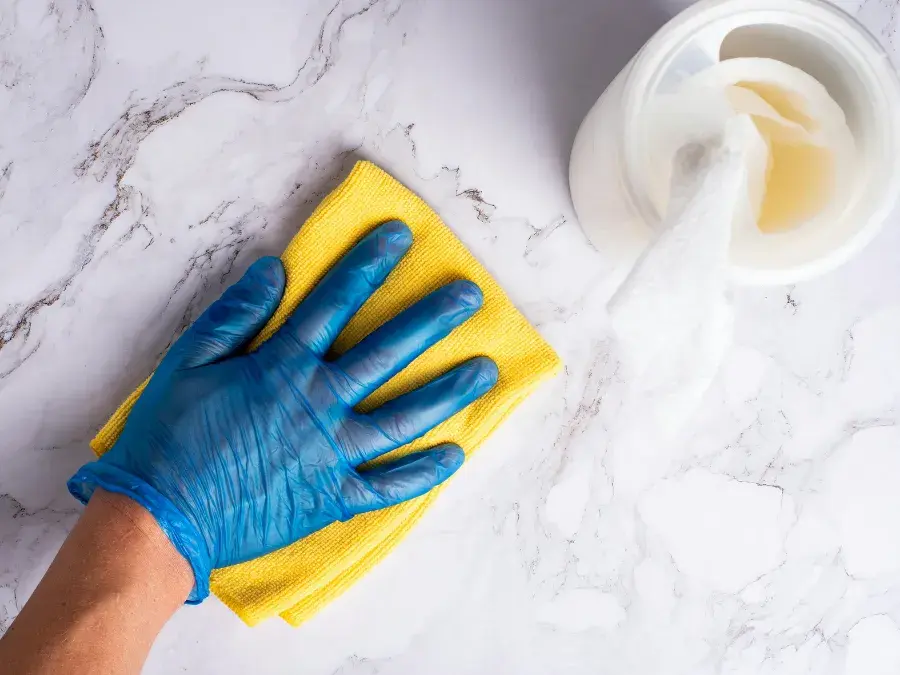
Choose a pH-neutral stone cleaner or a mild cleaning solution recommended for marble. Follow the product instructions, avoid excessive cleaner concentration and dry the surface with a soft cloth to reduce residue and water marks.
For more guidance, visit our page on marble cleaning in Dubai.
Clean spills as soon as possible
Blot spills rather than wiping them across the surface. Rinse the area with clean water when appropriate, then dry it thoroughly. Pay particular attention to citrus juice, vinegar, wine, coffee, cooking oil and cosmetics because they may stain or etch depending on their composition and the stone’s condition.
Protect the work surface
- Use cutting boards rather than cutting directly on marble.
- Place coasters beneath glasses, especially those containing acidic drinks.
- Use trivets or heat-resistant mats for hot cookware.
- Lift appliances and heavy objects instead of dragging them across the stone.
- Use soft cloths and keep abrasive grit away from the surface.
Understand what sealing can and cannot do
A suitable impregnating sealer can reduce how readily certain liquids penetrate the stone. It does not make marble stainproof, and it does not prevent acid etching. A sealed countertop can still develop dull marks when acidic products contact its surface.
There is no single resealing schedule that suits every marble countertop. The stone, sealer, use and manufacturer’s instructions all matter. Ask your stone supplier or restoration specialist whether sealing is appropriate and how often the product should be reapplied.
Does Marble Countertop Polishing Cost a Lot?
The cost depends on the size of the area, the depth and spread of the damage, the type of marble, the finish required and whether the work includes stain treatment, chip repair or sealing.
A small area with light etching may require much less work than a countertop with deep scratches across the surface. Edge repairs, sink cut-outs, previous resin repairs and the need to match a particular finish can also affect the scope.
For a useful estimate in Dubai, describe the countertop’s condition and provide clear photos of the damaged areas. A professional may need to inspect the surface before confirming which method is suitable and what the work will involve.
Be cautious of quotes that promise to remove every scratch, stain and crack through polishing alone. These are different types of damage, and the appropriate treatment should be explained before work starts.
When Should You Call a Marble Restoration Specialist?
Professional advice is worthwhile when the damage goes beyond routine cleaning or a minor, clearly identified surface issue. It is especially important if the countertop is expensive, has a distinctive finish, or has been repaired previously.
- The countertop remains dull after proper cleaning.
- Etching covers a large area or appears in several places.
- Scratches are deep enough to feel or catch a fingernail.
- The surface has chips, cracks or damaged edges.
- Stains remain despite appropriate basic cleaning.
- A previous repair has left a visible patch or uneven sheen.
- You want to restore the original finish without unnecessary material removal.
An assessment helps establish whether polishing is enough, whether more extensive restoration is appropriate, or whether the damage is better addressed through a separate repair.
Frequently Asked Questions
Can you polish marble countertops at home?
Some minor surface issues may be suitable for a marble-specific polishing product, provided it matches the existing finish. Deep scratches, widespread etching, chips and cracks generally need professional assessment to avoid uneven results or further damage.
What is the best marble countertop polish?
There is no single best product for every countertop. Choose a product designed for natural marble and the finish you want to maintain. A product for polished marble may not be suitable for a honed surface, and a polishing compound will not necessarily remove a stain or repair a crack.
Can marble polishing remove white marks?
Sometimes. White or cloudy marks may be caused by acid etching, residue, mineral deposits or other surface changes. Identifying the cause first is important because each problem may need a different treatment.
Can polishing remove scratches from marble?
Polishing can improve some fine surface scratches. Deeper scratches may need honing or more extensive refinishing, which removes material from the surface. Deep grooves and damaged edges should be assessed by a stone restoration specialist.
Can a stained marble countertop be restored?
Many stains can be improved, but the outcome depends on the substance, how deeply it has penetrated and the condition of the stone. Stain treatment may be needed before any polishing, and some deep stains cannot be removed completely.
Does sealing stop marble from etching?
No. Sealing can help reduce the absorption of certain liquids, but it does not prevent acids from reacting with marble. Use suitable cleaners and wipe up acidic spills promptly.
How often should marble countertops be polished?
There is no fixed schedule. Polishing should be based on the condition of the surface, the finish you want and the amount of wear it receives. Gentle daily care can reduce the need for unnecessary restoration.
Can you polish a marble bathroom vanity as well as a kitchen counter?
Yes, many natural marble vanity tops can be polished or restored. The process depends on the existing finish and whether the problem is etching, scratches, stains, water marks or physical damage around the basin.
Will polished marble stay shiny permanently?
No finish is completely maintenance-free. Acidic products, abrasive cleaning and everyday wear can gradually affect the surface. Appropriate cleaning and prompt spill removal help preserve the finish, while occasional restoration may be needed depending on use.
Restore the Finish of Your Marble Countertop in Dubai
If your marble countertop has lost its shine, developed etch marks or become scratched, the first step is to understand what caused the damage. The right treatment can improve the appearance of the stone while avoiding unnecessary work.
Dubai Marble Polish can discuss your countertop’s condition and help you understand whether polishing, surface restoration or a separate repair may be appropriate. Share the affected area and its condition so the next steps can be assessed more clearly.
Need Help with Your Marble Countertop?
Contact Dubai Marble Polish to discuss dull marble, etching, scratches or damaged countertop edges. Ask about an assessment and a quote for the work your surface needs.